
When Vietnamese students think about studying in South Korea, Seoul is often the first destination that comes to mind. As the country’s major economic, educational, and cultural center, Seoul offers a wide range of universities, businesses, and opportunities for international students.
However, living in a major city also comes with challenges that students and their families need to consider.
One of the biggest concerns is the overall cost of studying abroad. In addition to tuition fees, students need to budget for accommodation, food, transportation, insurance, and personal expenses. In large urban areas, particularly central districts, housing and daily living costs can place considerable pressure on family finances.
Furthermore, scholarship opportunities vary from one university to another, and not every student will qualify for substantial financial support. Part-time employment also depends on several factors, including Korean language proficiency, class schedules, visa regulations, and local job availability.
For these reasons, more students and families are exploring universities outside Seoul. Rather than focusing exclusively on a university’s location or reputation, they are considering academic programs, scholarship opportunities, student support, and the overall cost of studying.
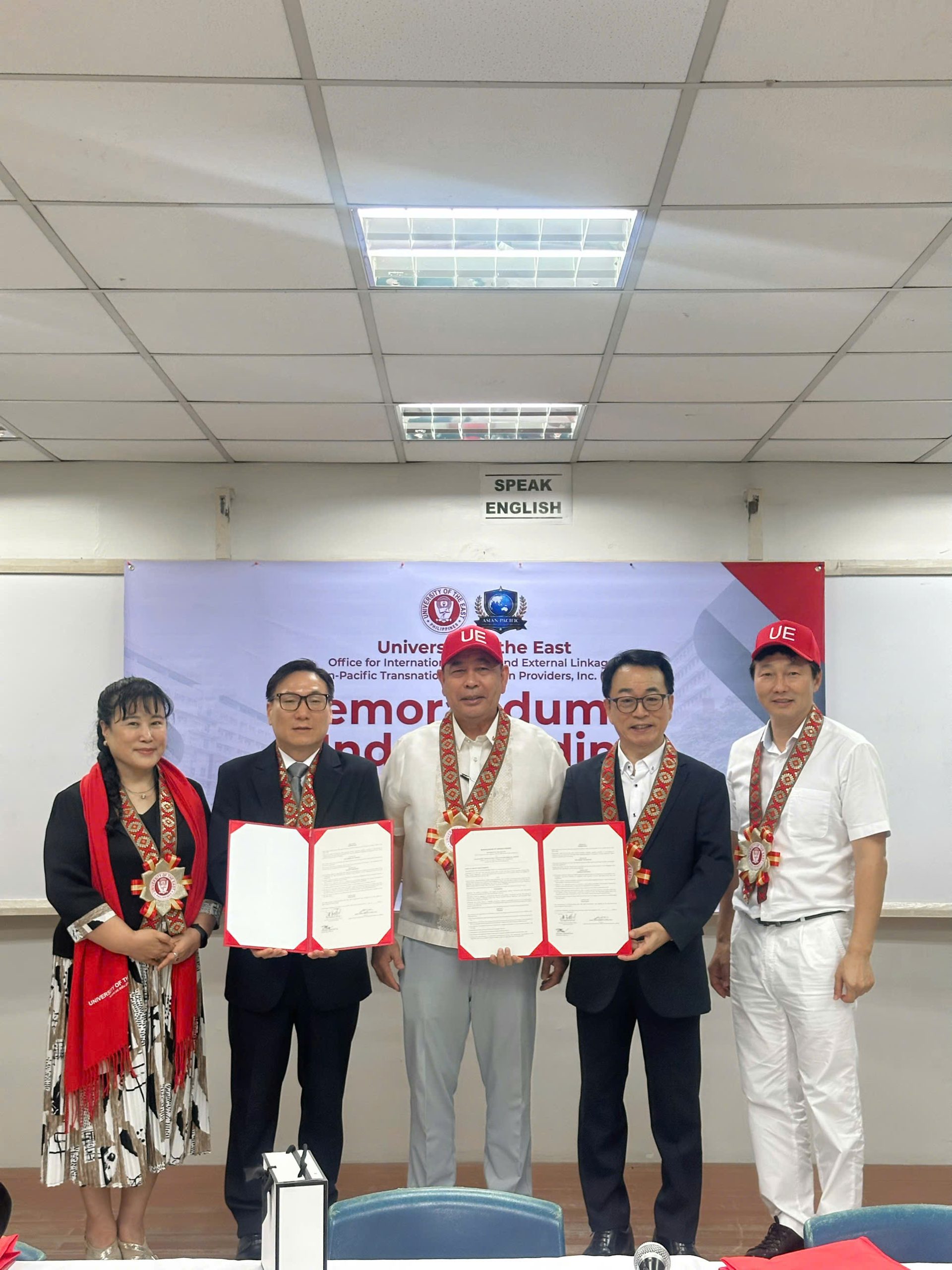
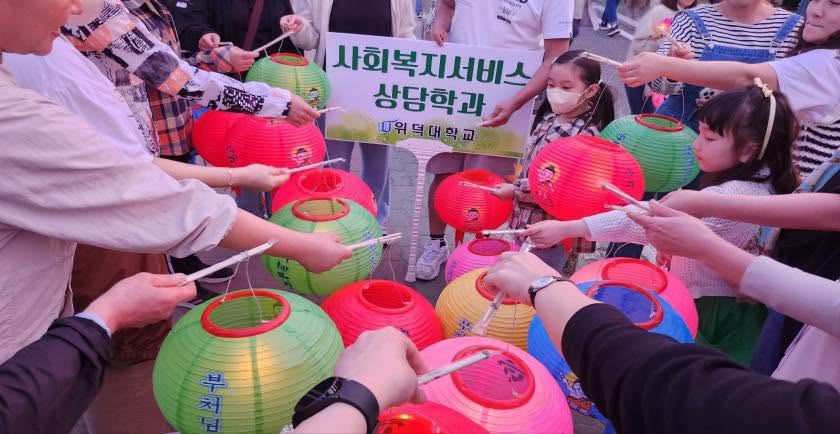
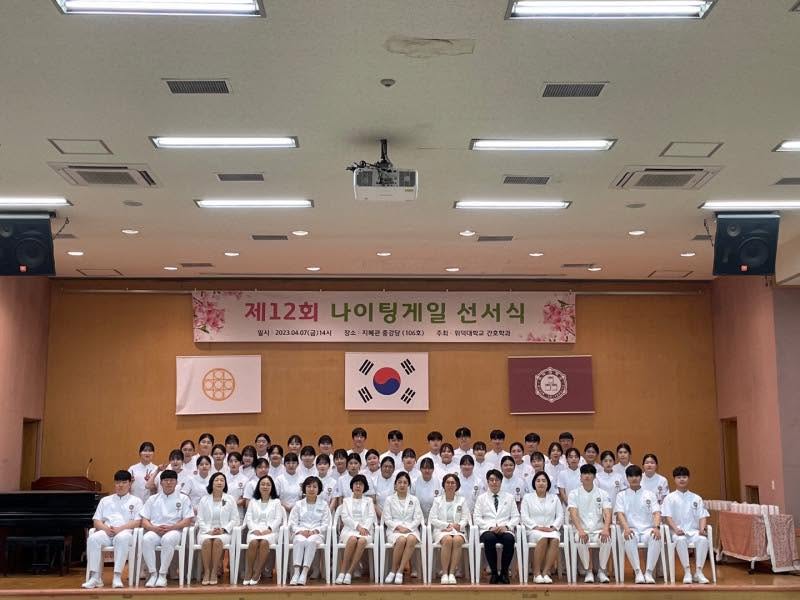
Located in Gyeongju, Gyeongsangbuk-do Province, Uiduk University is one option worth exploring. With its Korean Language Program, undergraduate programs, and scholarship opportunities for international students, the university offers an alternative for Vietnamese students who are considering studying outside the capital.
So, what makes Uiduk University worth considering in terms of tuition fees, scholarships, living expenses, and future opportunities?
1. Uiduk University: A Learning Environment in Gyeongju
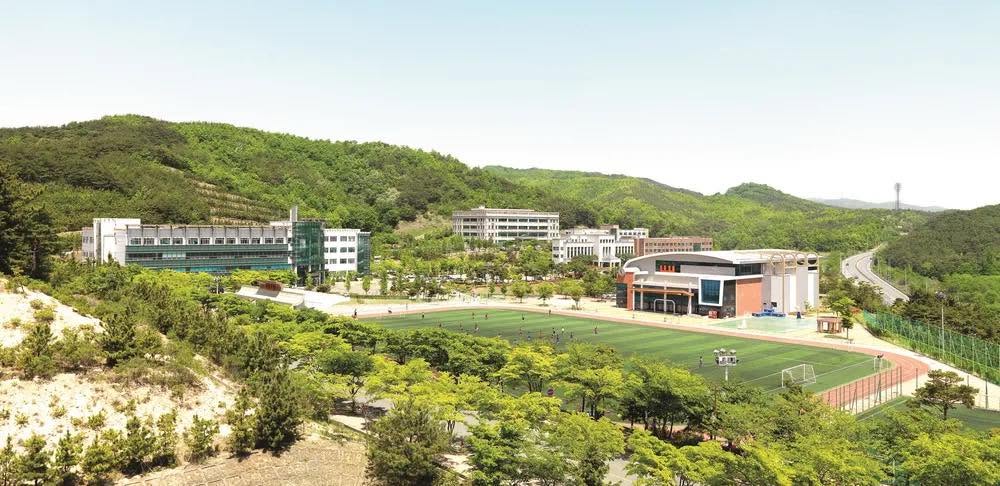
Established in 1996, Uiduk University is a private university located in Gyeongju, Gyeongsangbuk-do Province, South Korea.
Gyeongju is widely known for its historical and cultural heritage. The city is home to several famous attractions, including Daereungwon Tomb Complex, Donggung Palace and Wolji Pond, Cheomseongdae Observatory, and Hwangnidan-gil.
Unlike the fast-paced lifestyle of Seoul, Gyeongju offers a different urban environment and pace of life. This may appeal to students who want to experience life in a city outside South Korea’s capital.

International students can explore two main study pathways at Uiduk University:
- Korean Language Program (KLP): Designed for students who want to develop their Korean language skills before entering an undergraduate program.
- Undergraduate Programs: Available to applicants who meet the university’s academic, language proficiency, and admission requirements for their chosen majors.
According to previously reviewed program information, the Korean Language Program consists of 10-week terms, with 20 hours of classes per week from Monday to Friday. The curriculum focuses on four core skills: listening, speaking, reading, and writing. Students are placed in classes according to their language proficiency.
For students who do not yet meet the Korean language requirements for direct entry into an undergraduate program, the KLP can be a pathway to developing the language skills needed for further study.
2. Uiduk University Tuition Fees: How Much Should Students Prepare?

Tuition fees are among the most important factors when choosing a university. Instead of simply asking whether a university is affordable, students and parents should understand the actual tuition per semester, the differences between academic fields, and the amount payable after scholarships.
The following figures are based on 2026 tuition information previously reviewed. They are provided as a reference for financial planning and should not be treated as the confirmed tuition schedule for the 2027 academic year.
2.1. Korean Language Program Tuition Fees
The Korean Language Program is designed for international students who want to improve their Korean proficiency before pursuing an academic major.
| Item | Reference Information |
|---|---|
| Total program duration | 40 weeks |
| Duration per term | 10 weeks |
| Weekly class hours | 20 hours |
| Tuition for 40 weeks | KRW 4,800,000 |
The program focuses on listening, speaking, reading, and writing, helping students gradually develop the Korean language skills needed for communication and academic study.
This tuition figure should be reconfirmed against the latest admission announcement. Students should also budget separately for accommodation, meals, insurance, transportation, and other living expenses.
2.2. Undergraduate Tuition Fees by Academic Field
Based on the 2026 tuition schedule previously reviewed, undergraduate tuition fees vary by academic field as follows:
| Academic Field | Tuition per Semester | Tuition for Two Semesters |
|---|---|---|
| Humanities and Social Sciences | KRW 3,108,000 | KRW 6,216,000 |
| Aviation Tourism | KRW 3,522,000 | KRW 7,044,000 |
| Education | KRW 3,326,000 | KRW 6,652,000 |
| Natural Sciences and Engineering | KRW 3,994,000 | KRW 7,988,000 |
| Arts and Physical Education | KRW 4,214,000 | KRW 8,428,000 |
Based on these reference figures, undergraduate tuition ranges from KRW 3,108,000 to KRW 4,214,000 per semester, depending on the academic field.
These amounts are before scholarships. The actual tuition for 2027 must be confirmed with the university. Applicants should also check whether their intended major is open to international students for their planned intake.
2.3. Tuition After Scholarships: How Much Will Students Actually Pay?
This is particularly important when families calculate their study-abroad budget.
If a student qualifies for the 40% tuition reduction mentioned in previously reviewed scholarship materials, the estimated tuition payable per semester would be as follows:
| Academic Field | Original Tuition | Tuition After 40% Reduction | Amount Saved |
|---|---|---|---|
| Humanities and Social Sciences | KRW 3,108,000 | KRW 1,864,800 | KRW 1,243,200 |
| Aviation Tourism | KRW 3,522,000 | KRW 2,113,200 | KRW 1,408,800 |
| Education | KRW 3,326,000 | KRW 1,995,600 | KRW 1,330,400 |
| Natural Sciences and Engineering | KRW 3,994,000 | KRW 2,396,400 | KRW 1,597,600 |
| Arts and Physical Education | KRW 4,214,000 | KRW 2,528,400 | KRW 1,685,600 |
For example, the original tuition for Humanities and Social Sciences is KRW 3,108,000 per semester. With a 40% reduction, the estimated amount payable would be KRW 1,864,800.
These figures are illustrative calculations based on the 2026 tuition reference and the previously documented scholarship rate. The actual amount will depend on the student’s eligibility and the university’s official scholarship regulations.
When considering Uiduk University, students should look beyond the original tuition fee. It is equally important to understand the tuition payable after scholarships, the eligibility requirements, and whether financial support can be maintained in subsequent semesters.
3. Uiduk University Scholarships: Financial Support for International Students
In addition to tuition fees, scholarship opportunities are another important factor when choosing a university. Based on previously reviewed scholarship materials, international students can explore support options for both new students and those already enrolled.
3.1. Scholarships for Newly Admitted International Students
According to previous admission materials, newly admitted international students may be eligible for:
- An admission fee waiver, subject to applicable conditions.
- A 40% tuition reduction under the university’s international student support policy.
This reduction may help families lower their initial tuition expenses.
However, applicants should confirm whether the policy remains valid for their intended intake and check the conditions and application procedures for their chosen program.
3.2. Scholarships for Continuing Students
Uiduk University has also listed scholarship opportunities based on academic performance and Korean language proficiency in previously reviewed materials.
The following figures are reference information:
| Criteria Listed in Previous Materials | Reference Scholarship |
|---|---|
| GPA from 1.60 to below 2.50 | 30% tuition reduction |
| GPA from 2.50 to below 3.50, or TOPIK Level 4 | 40% tuition reduction |
| GPA of 3.50 or above combined with TOPIK Level 4 | 50% tuition reduction |
| TOPIK Level 6 | Up to 100% tuition support |
These scholarship levels indicate that students may have opportunities to receive continued financial support by maintaining their academic performance and improving their Korean language proficiency.
In particular, GPA- and TOPIK-based scholarships can encourage students to set clear academic goals throughout their studies. Strong Korean language skills are also valuable for everyday communication and future career development.
Please note that scholarship eligibility may involve additional requirements. Students should confirm the GPA calculation method, TOPIK conditions, scholarship priority rules, and whether different scholarships can be combined. A 100% scholarship should not be considered automatic without official confirmation.
3.3. Additional Support Based on TOPIK Certificates
A 2025 scholarship document previously reviewed also mentioned one-time financial support for students who achieved certain levels of Korean language proficiency:
| TOPIK Level | Reference Financial Support |
|---|---|
| TOPIK Level 4 | KRW 300,000 |
| TOPIK Level 5 | KRW 500,000 |
These amounts were listed in previous materials. Students should confirm whether this support remains available for upcoming intakes, the eligibility requirements, and whether it can be combined with tuition scholarships.
3.4. How Can Students Make the Most of Scholarship Opportunities?
To prepare a realistic financial plan, students should pay attention to three key points:
- Confirm whether the entrance scholarship applies to their chosen program and admission period.
- Understand the GPA and TOPIK requirements for maintaining or increasing scholarship support in subsequent semesters.
- Check whether different scholarships can be combined, when they are awarded, and how long the support remains valid.
Overall, scholarship opportunities are an important factor when considering Uiduk University. However, families should prepare their initial budget based on the full tuition amount until the university confirms the applicable scholarship in writing.
4. Living Expenses in Gyeongju: What Should Students Budget For?
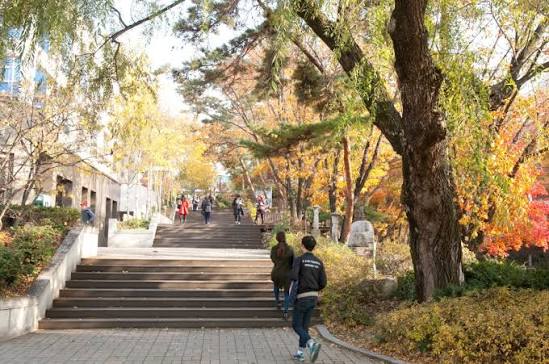
Beyond tuition, students need to prepare for everyday living expenses. Gyeongju has a different urban environment and pace of life from Seoul, but actual expenses still depend on accommodation choices, eating habits, and personal needs.
The main expenses include:
- Accommodation: Dormitory fees or off-campus rent, deposits, and management fees where applicable.
- Food: Meals at the university cafeteria, home cooking, or eating out.
- Transportation: Travel between accommodation, campus, and other necessary destinations.
- Personal expenses: Mobile phone services, internet, study materials, and daily necessities.
- Insurance and other expenses: Costs required under the regulations applicable to international students.
The university provides information about its dormitory and campus facilities, including cafeterias, cafés, and self-service kitchen facilities for registered users.
For newly arrived international students, university accommodation may be a convenient option during the initial period, allowing them to settle in and become familiar with their new environment. However, students should check the latest dormitory fees, room conditions, and application periods.
Families are encouraged to prepare a monthly and annual budget, including an emergency fund for unexpected expenses. Tuition should not be the only expense considered when planning to study abroad.
5. Part-Time Work in South Korea: What Should Students Know?


Part-time employment is a common concern among students and parents considering studying in South Korea. In addition to providing supplementary income, part-time work can help students improve their Korean communication skills, develop workplace experience, and adapt to local life.
However, employment is not guaranteed simply because a student has enrolled at a university. The ability to find a suitable job depends on several factors:
- Korean language proficiency and communication skills.
- Class schedules and available working hours.
- Personal experience and skills.
- Local employment demand.
- Immigration regulations and work authorization requirements for international students.
International students must comply with the current regulations governing part-time employment, including eligibility requirements, application procedures, and any applicable working-hour limits.
For newly arrived students, settling into university life and improving Korean language proficiency should come first. Strong communication skills can make it easier to understand job information and adapt to a workplace.
Can students rely on part-time income to cover all their tuition fees?
They should not. Part-time income is not fixed and should not replace the financial support that families prepare in advance. Students should consider it supplementary income rather than their primary source of funding for education.
6. Academic Development and Career Opportunities After Graduation
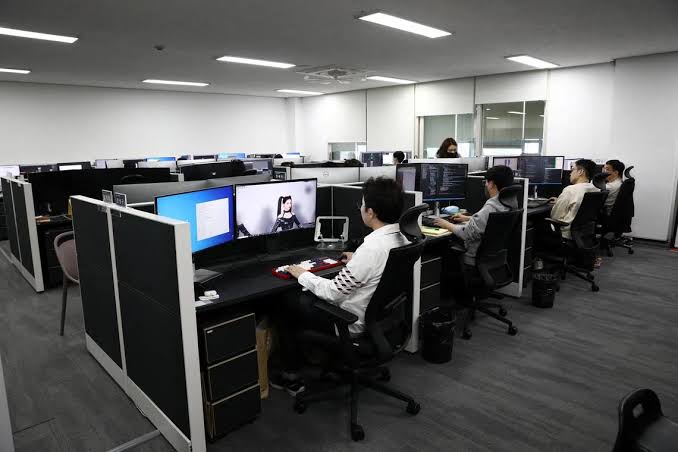

A successful study-abroad plan should go beyond university admission and graduation. Students should also consider the knowledge, skills, and experience they want to gain during their studies.
At Uiduk University, prospective students can explore academic fields related to business, tourism and services, engineering, and other areas, depending on the university’s international admission offerings for each intake.
During their studies, students are encouraged to:
- Improve their Korean language proficiency for academic and workplace communication.
- Build professional knowledge related to their chosen major.
- Explore practical training, projects, or experiential learning opportunities when available.
- Develop communication, teamwork, and problem-solving skills.
- Research employment requirements in their intended career field.
After graduation, students may explore career opportunities in South Korea or return to Vietnam to work in a relevant field. Employment prospects depend on their major, Korean language proficiency, professional experience, employer requirements, and eligibility to change their immigration status.
Rather than focusing only on whether they can remain in South Korea after graduation, students should start developing their professional skills while they are still at university.
7. Who Should Consider Studying at Uiduk University?
No single university is the right choice for every student. The decision should be based on academic background, budget, Korean language proficiency, and individual goals.
Uiduk University may be worth exploring for the following groups:
- Students who want to start with Korean language training: They can consider the KLP as a way to build their language foundation before applying for an undergraduate program, subject to the relevant progression requirements.
- Families concerned about tuition and scholarships: They can compare original tuition fees, scholarship rates, and estimated costs after financial support.
- Students who prefer studying outside Seoul: They can consider the learning and living environment in Gyeongju and compare it with other locations.
- Students interested in practical academic development: They can explore the majors currently open to international applicants and review the specific curriculum.
Before making a decision, applicants should check admission requirements, available majors, tuition fees, and scholarship policies for their intended intake.
8. FlyFuture: Supporting Your Study-Abroad Journey
Choosing a university is about more than finding a school with suitable tuition fees. It also involves selecting the right academic program, preparing application documents, planning finances, and understanding the requirements for adapting to life in South Korea.
FlyFuture supports students and parents in exploring Korean language and undergraduate programs, admission requirements, application documents, tuition fees, and scholarship opportunities.
If you are considering Uiduk University but are unsure which program to choose, contact FlyFuture for guidance based on your academic background, Korean language proficiency, and family’s estimated budget.
The right study-abroad choice does not necessarily have to be the most famous university or the busiest city. What matters more is finding a learning environment that matches your goals, financial circumstances, and future plans.