
Is the Philippines High School Diploma Worth It? A Comparison of Traditional vs. Fast-Track Programs
Is the Philippine high school diploma worth it? Discover 7 key facts, pros & cons, and a full comparison with traditional high school pathways.
The Philippines high school diploma is gaining attention as an alternative pathway for students seeking flexibility, international recognition, and a faster route to university. But is it truly worth pursuing compared to a traditional high school education?
In this article, we compare the traditional high school pathway with the Philippines high school diploma (Senior High School – Academic Track, GAS), focusing on duration, cost, learning experience, and global recognition.
What Is a Philippines High School Diploma?

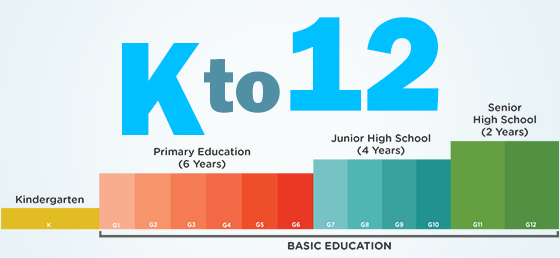
The Philippines high school diploma is awarded after completing the country’s K–12 education system, regulated by the Department of Education (DepEd). The final stage, known as Senior High School (Grades 11–12), allows students to specialize in different academic tracks such as:
- STEM (Science, Technology, Engineering, Mathematics)
- ABM (Accountancy, Business, Management)
- HUMSS (Humanities and Social Sciences)
- GAS (General Academic Strand)
Among these, the GAS track offers the most flexibility, making it suitable for students who have not yet decided on a specific academic direction.
Courses are primarily taught in English, which makes the Philippines high school diploma accessible and relevant for international students preparing for higher education abroad.
Traditional High School vs. Fast-Track Philippines Program
Key Differences
| Criteria | Traditional High School | Philippines High School Diploma (Fast-Track – GAS) |
|---|---|---|
| Duration | Typically 3 years | 6–18 months (depending on pace) |
| Learning Format | Fixed schedule, in-person | Flexible, often online or blended |
| Curriculum | Broad and standardized | Structured but adaptable (GAS track) |
| Cost | Varies widely by country | Approx. $6,000 USD per block |
| Outcome | National diploma | DepEd-recognized high school diploma |
| University Pathways | May require additional qualifications | Recognized internationally (requirements vary) |
1. Time Efficiency and Study Flexibility
One of the biggest advantages of the Philippines high school diploma is its flexible and accelerated structure.
Traditional high school programs typically require three years of full-time study. In contrast, fast-track Philippines programs allow students to complete their diploma in as little as 6 to 18 months, depending on their pace and academic readiness.
This makes the Philippines pathway particularly appealing for students who:
- Want to graduate earlier
- Plan to start university sooner
- Prefer flexible or online learning environments
However, students who value a structured routine, daily classroom interaction, and extracurricular activities may still prefer the traditional system.
2. Cost and Return on Investment
The cost of education varies significantly across countries and school types.
Traditional public high schools are often low-cost or government-funded, while private and international schools can range from moderate to very high tuition fees.
Fast-track programs leading to a Philippines high school diploma are typically priced per academic block (around $6,000 USD per block). While this may not always be the cheapest option, it offers a strong return on investment (ROI) in terms of time saved and earlier access to university.
For many families, the decision comes down to:
- Lower cost vs. faster completion
- Traditional experience vs. flexible pathway
3. International Recognition of the Philippines High School Diploma
A key concern for students and parents is whether the Philippines high school diploma is recognized globally.
The good news is that the Philippines K–12 system aligns with international education standards, and the diploma is accepted by many institutions worldwide.
Recognition by Destination
4. Learning Experience and Student Fit
Choosing between a traditional high school and a fast-track Philippines program also depends on learning style.
Traditional High School
- Structured environment
- Regular teacher interaction
- Strong peer community
- Broad academic exposure
Philippines High School (GAS – Fast Track)
- Flexible scheduling
- Emphasis on independent learning
- Project-based approach
- Adaptable for different learning speeds
The Philippines high school diploma is particularly suitable for students who:
- Prefer self-paced learning
- Need a more flexible schedule
- Are preparing early for international education
Pros and Cons of the Philippines High School Diploma
Pros
- Faster completion time (6–18 months)
- English-medium instruction
- Flexible learning format
- Recognized by many international universities
Cons
- Requires strong self-discipline
- Less traditional campus experience
- University requirements may vary
- Not universally accepted without conditions
Is the Philippines High School Diploma Worth It?
So, is the Philippines high school diploma worth it?
The answer depends on your priorities.
If you value speed, flexibility, and an international pathway, the Philippines system offers a practical and efficient option. On the other hand, if you prefer a structured academic journey with a traditional school experience, a standard high school program may be more suitable.
Ultimately, the Philippines high school diploma is a strong alternative for students looking to balance accessibility, time efficiency, and global opportunities.
Frequently Asked Questions (FAQ)
Is the GAS track suitable for all students?
Yes. The GAS (General Academic Strand) is designed for flexibility and is ideal for students who want a broad academic foundation.
Do all universities accept the Philippines high school diploma?
No qualification is universally accepted, but many institutions across major study destinations recognize it with specific requirements.
Is the fast-track option always better?
Not necessarily. It depends on your learning style, goals, and timeline.
The Philippines high school diploma is becoming an increasingly relevant option in global education. With its combination of flexibility, international recognition, and time efficiency, it provides a compelling alternative to traditional high school systems.
Before making a decision, students should carefully evaluate their academic goals, preferred study destinations, and learning preferences.